
E-Commerce & ERP Insights: Your Blog for Smart Business Growth
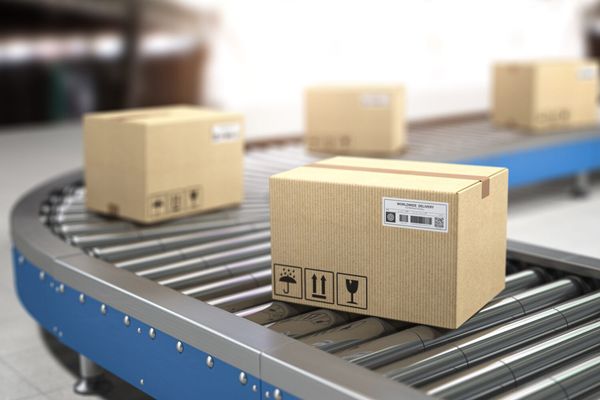
The Growth Brake of Manual Processes: How to Scale Your E-Commerce Business Without Personnel Chaos
Most online retailers dream of skyrocketing order numbers. But when that dream comes true and orders suddenly surge, joy often turns into pure stress. Many entrepreneurs then make a classic mistake:…
Read more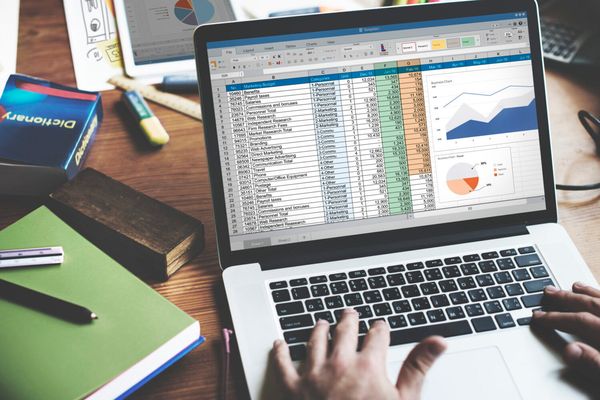
From Excel Chaos to Automation: When You Need an Order Management System (OMS)
Hand on heart: almost every successful e-commerce business once started with a simple Excel spreadsheet. In the beginning, it’s charming, clear, and—above all—free. But as you grow, your practical…
Read more
Cancellations, Returns & Payment Disputes: Efficient Exception Management in E-Commerce
In the e-commerce year of 2026, it is no longer just the package that reaches the customer that determines the success of your company. It is the package that comes back that truly defines your…
Read more
Time Savings in E-Commerce: Why a Central ERP is the Heart of Your Growth
In the e-commerce year of 2026, time isn’t just money—time is your most important strategic resource. While technical barriers fall and competition on marketplaces like Amazon, Kaufland, or Otto…
Read more
7 Expensive Mistakes in Order Management (and How to Avoid Them with Automation)
The heart of your e-commerce business beats in order management. Every time a customer clicks the „Buy“ button, it triggers a complex chain of processes that determines the success or failure of your…
Read more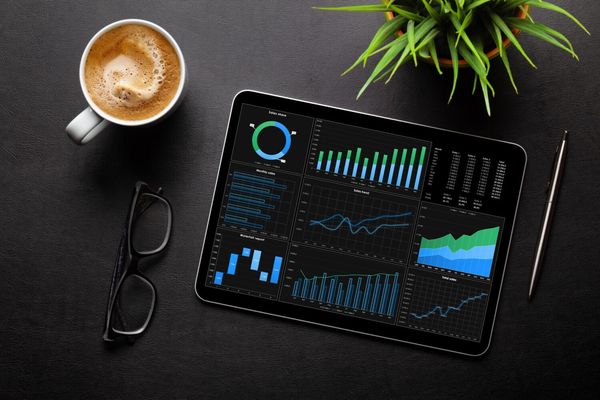
Multichannel Shipping: How to Bundle Amazon, eBay & Co. into a Central Command Center
Online retail in 2026 no longer forgives technological isolated solutions. If you want to scale successfully today, you must be present where your customers are searching: on Amazon, eBay, Kaufland,…
Read more
Scaling Without Stress: How to Maintain Full Oversight with JTL-Wawi and Seller2Go
Growth is the ultimate goal in e-commerce, but for many merchants in 2026, this dream quickly turns into an operational nightmare. When order volumes rise from ten to a hundred or even a thousand…
Read more
The Excel Dead End: Why You Need a Real Database for Your E-Commerce Business in 2026
It’s an almost nostalgic image: a newly minted e-commerce founder sits in front of a laptop, eyes weary from staring at countless rows and columns in Microsoft Excel or Google Sheets. In the…
Read more
Multichannel Success: How to Use JTL-Wawi to Conquer Shops & Marketplaces Simultaneously
In 2026, online retail is no longer a static business, but a highly dynamic ecosystem. Anyone who limits themselves to distributing products via a single sales channel today is not only leaving…
Read more
E-Commerce Start 2026: Why You Need an ERP System Like JTL-Wawi from Day 1
Entering the world of online retail in 2026 promises enormous opportunities, but it is simultaneously coupled with technological challenges that go far beyond simply listing products. Anyone starting…
Read more